
The Allure of Risk: Why We Gamble
The thrill of gambling in casinos stems from the inherent human attraction to risk and uncertainty. Many individuals find the possibility of winning exciting, which can lead to a rush of adrenaline. This sensation is often linked to the brain’s reward system, where the anticipation of a potential win stimulates dopamine release, reinforcing the desire to engage in risky behavior. In today’s digital age, many are drawn to activities like australian online casinos, where the allure of gambling is not merely about money but also about the pleasure derived from high-stakes situations.
Moreover, the social aspect of gambling adds another layer to its appeal. For many, visiting a casino is not just about playing games; it’s about experiencing a vibrant social environment. This combination of risk and social interaction creates a unique atmosphere, encouraging people to engage in gambling activities beyond mere financial motivations.
The Role of Cognitive Biases in Gambling
Cognitive biases significantly influence gambling behavior, often leading players to make irrational decisions. One common bias is the illusion of control, where individuals believe they can influence the outcome of a game despite the inherent randomness. This belief can encourage continued play, as gamblers feel empowered by their perceived ability to sway luck in their favor.
Additionally, the gambler’s fallacy plays a crucial role in decision-making. This psychological phenomenon leads individuals to believe that past events affect future outcomes, causing them to chase losses or overestimate their chances of winning. Such biases can perpetuate gambling behaviors, as players often misinterpret the probabilities involved in casino games.
The Emotional Rollercoaster of Gambling
Gambling can evoke a wide array of emotions, from excitement and euphoria to frustration and despair. This emotional rollercoaster is a vital aspect of the gambling experience and can deeply affect an individual’s desire to return to the casino. Winning often produces a euphoric high that can reinforce gambling habits, while losses can lead to feelings of hopelessness, prompting players to gamble more in hopes of recovering their losses.
The desire to regain lost money—often referred to as “chasing losses”—can lead to a dangerous cycle of gambling. This pattern illustrates how emotions, rather than rational thought, often drive gambling behavior. Understanding the connection between emotions and gambling is essential in addressing issues related to responsible gambling practices.
The Impact of Environment on Gambling Behavior
The design and atmosphere of a casino play a crucial role in shaping the gambling experience. Color schemes, lighting, and layout are carefully crafted to create an inviting environment that encourages prolonged play. The absence of clocks and windows disorients time perception, making it difficult for gamblers to recognize how long they have been playing, which can lead to excessive gambling.
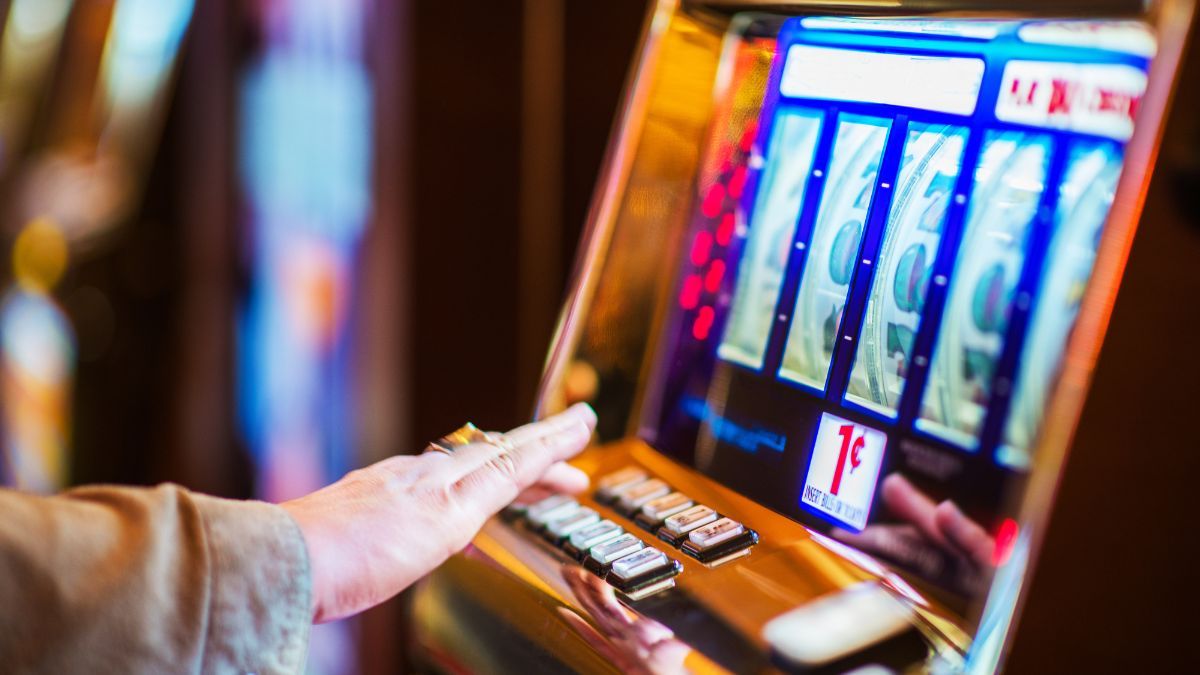
Additionally, the sounds of spinning slots and the presence of winners create a stimulating environment that reinforces the excitement of gambling. This carefully curated atmosphere aims not only to attract players but also to keep them engaged, further highlighting the psychological manipulation present in gambling establishments.
Resources for Responsible Gambling
For individuals seeking to understand more about gambling psychology or those looking to maintain responsible gambling habits, resources and support are available. Organizations provide education about the risks associated with gambling and offer tools for self-assessment. These resources are crucial in promoting awareness of gambling addiction and creating a healthier gambling culture.
By accessing information and engaging with support networks, individuals can gain insights into their gambling behaviors, helping them make informed choices. Initiatives aimed at combating gambling addiction contribute significantly to fostering a responsible approach to gambling, ensuring that those who choose to gamble do so safely and within their means.